
Amplifying children’s voices to uphold their rights
June 16th is the Day of the African Child, a day to celebrate the resilience of children and to engage all actors involved in the protection and promotion of children's rights in Africa to address the obstacles that prevent children from enjoying their rights.
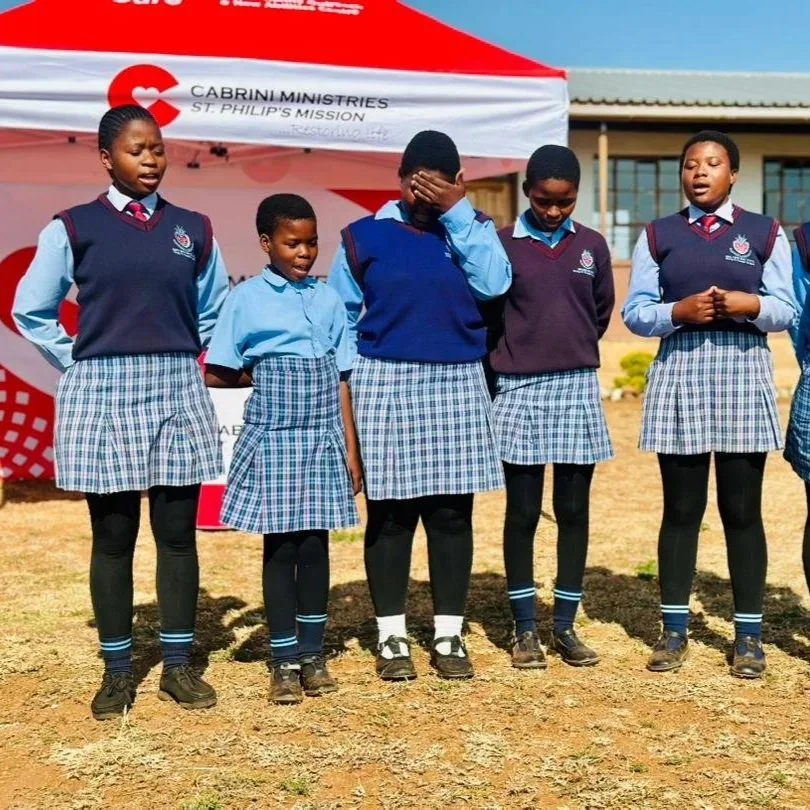
On June 24th, 2026, Cabrini Ministries Eswatini joined the students of Mhlabeni Primary and High School in commemorating the day under the theme: “Ensuring Universal Access to Water, Sanitation and Hygiene for Every Child in Africa”.
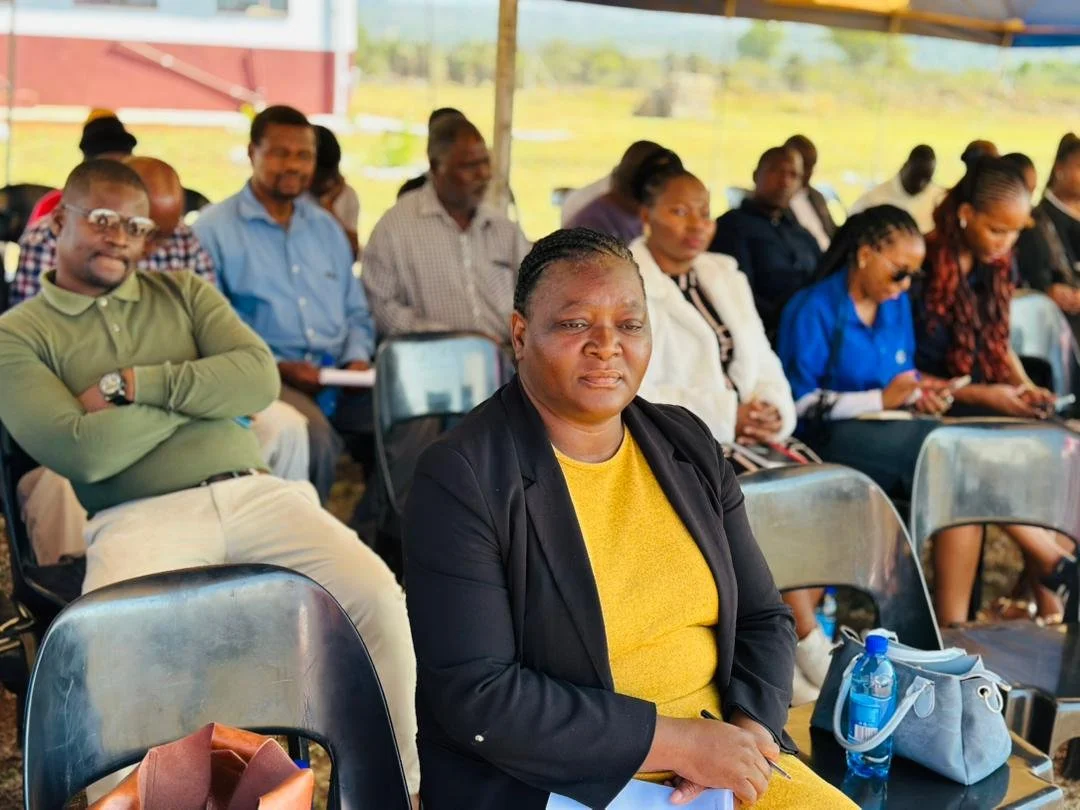
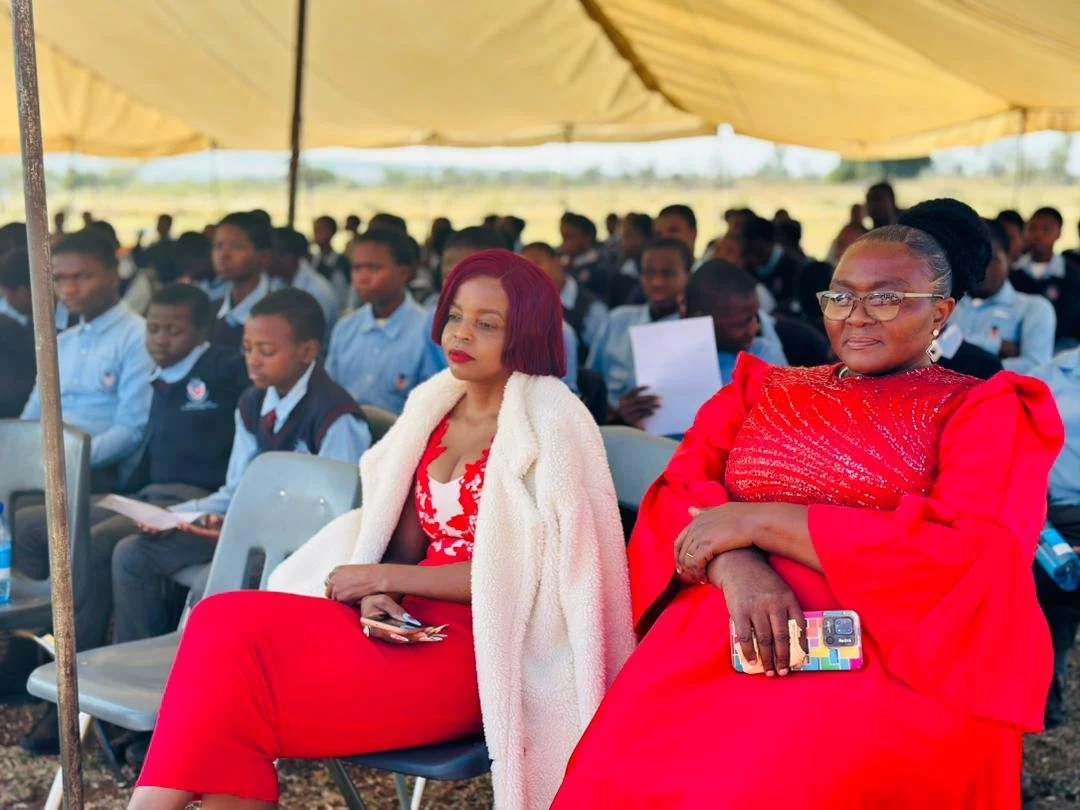
The event brought together 252 learners from Mhlabeni Primary School and Mhlabeni High School, two schools serve highly vulnerable children from disadvantaged households, and government officials from the Department of Social Walfare (DSW), Lubombo Regional Administration Office, Lubombo Regional Secretary Office, Regional Health Inspector, members of the Royal Eswatini Police and of the National Emergency Response Council on HIV and AIDS (NERCHA), Inkhundla council embers and community leaders.
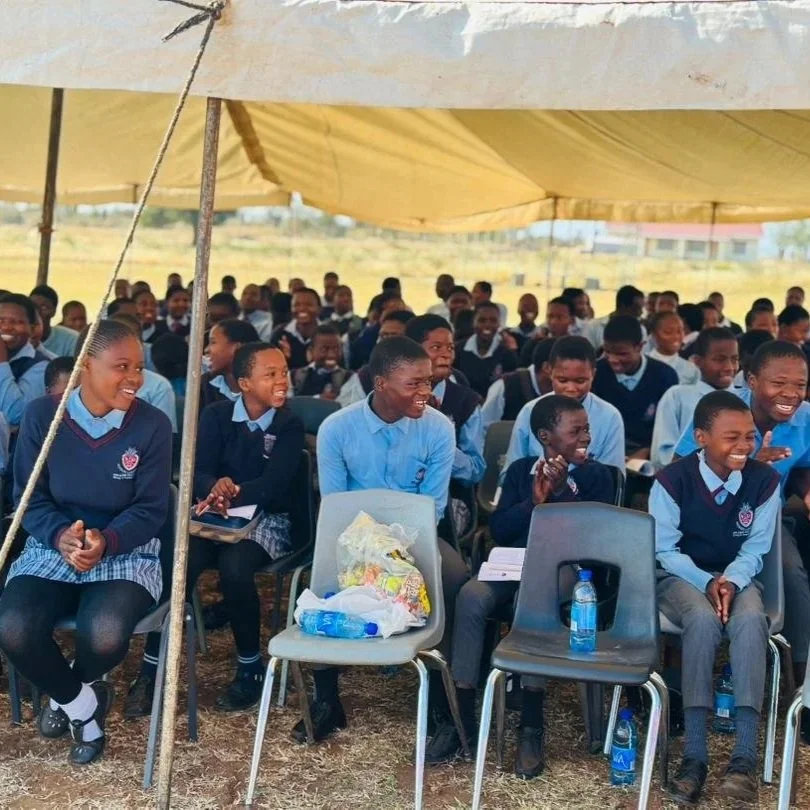
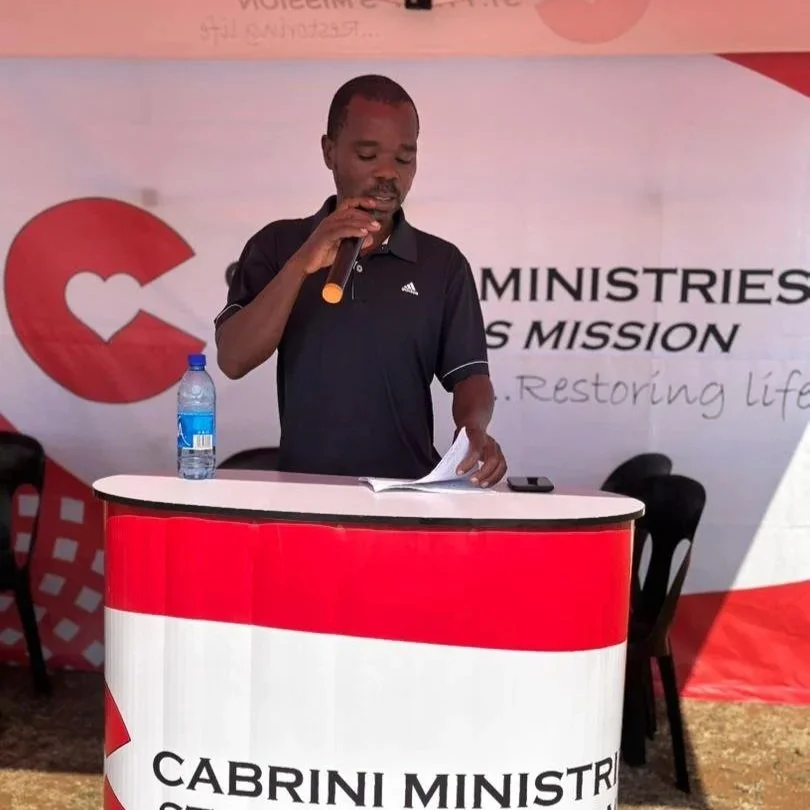
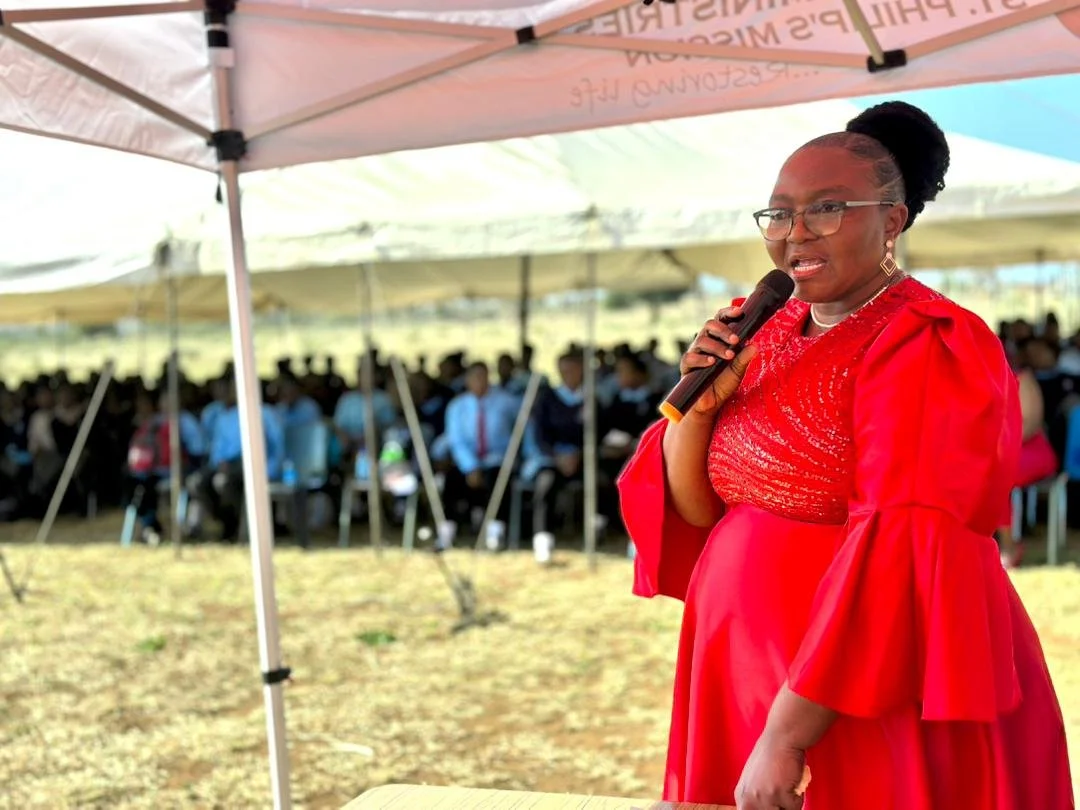
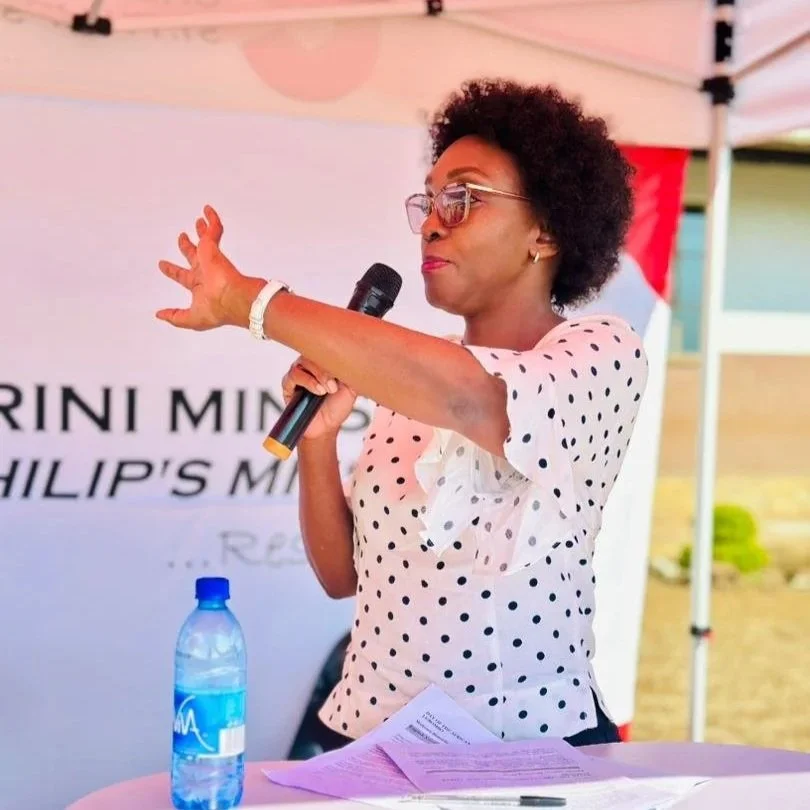
This year's theme, "Ensuring Universal Access to Water, Sanitation and Hygiene for Every Child in Africa," calls upon governments, communities, development partners, and other stakeholders to address the barriers that prevent children from accessing safe water, adequate sanitation, and proper hygiene services.
The commemoration provided an opportunity to reflect on these challenges while amplifying the voices of children who continue to face hardships associated with poverty, including inadequate access to hygiene supplies and limited opportunities to participate in discussions that impact their wellbeing.
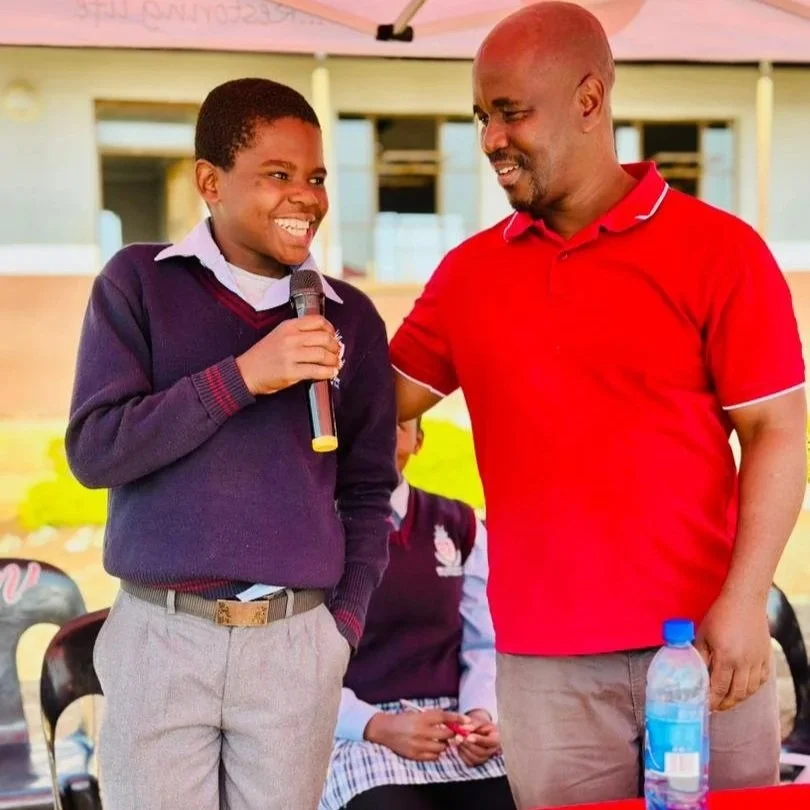
As part of the program, a panel of learners openly shared the Water, Sanitation and Hygiene (WASH) and child protection challenges they experience in their daily lives. They spoke candidly about the scarcity of clean water in their community, food insecurity both at home and at school, inadequate clothing and school uniforms, the lack of sanitary pads for girls, and the absence of proper sanitation facilities in many homesteads.
They also highlighted the long distances many children walk to and from school each day, with some having to cross a river without a bridge, particularly during the rainy season, putting their safety at risk. Learners further expressed concern about the lack of a health clinic within their community, making it difficult for children and their families to access timely healthcare when needed. In addition, they highlighted the shortage of educational resources, including computers and classrooms, which negatively affects the quality of their learning.
The learners explained that food insecurity is one of the greatest challenges they face, wit some of them attending school on empty stomachs, and instances of pupils collpasing during school hours due to hunger. They shared that the daily struggle to meet basic needs, coupled with poor learning conditions, long and unsafe journeys to school, and limited access to essential services, often leaves them feeling discouraged and demotivated, making it difficult to concentrate and perform well academically.
The discussion further shed light on serious child protection concerns. Learners explained that parental migration in search of employment often leaves children in the care of relatives or guardians, increasing their vulnerability to neglect and, in some cases, sexual abuse. They also expressed concern that poverty places many adolescent girls at greater risk of engaging in relationships to meet their basic needs, a situation they said contributes to the high incidence of teenage pregnancy within their community.
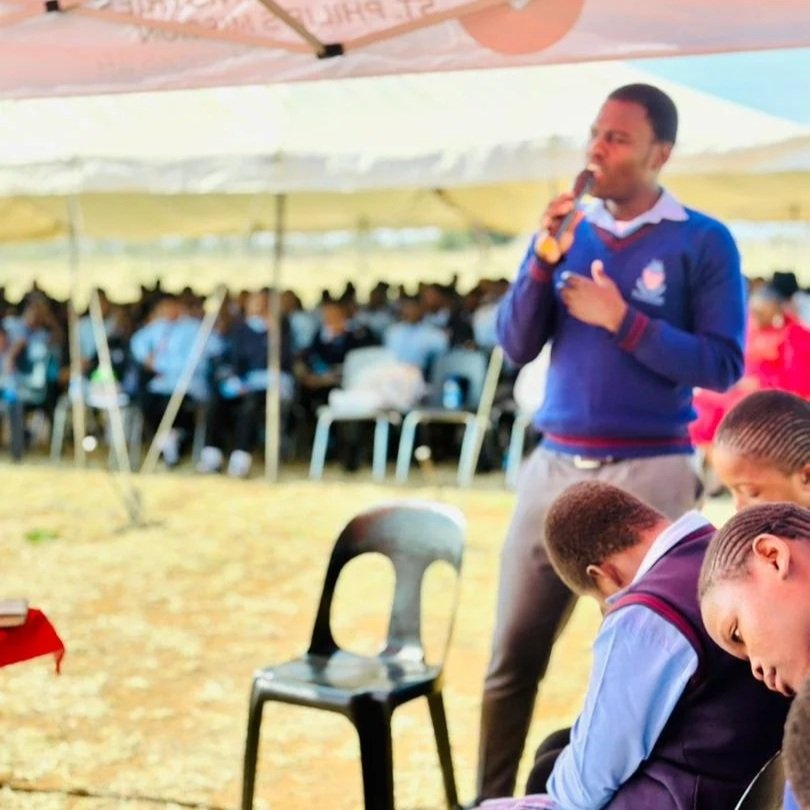
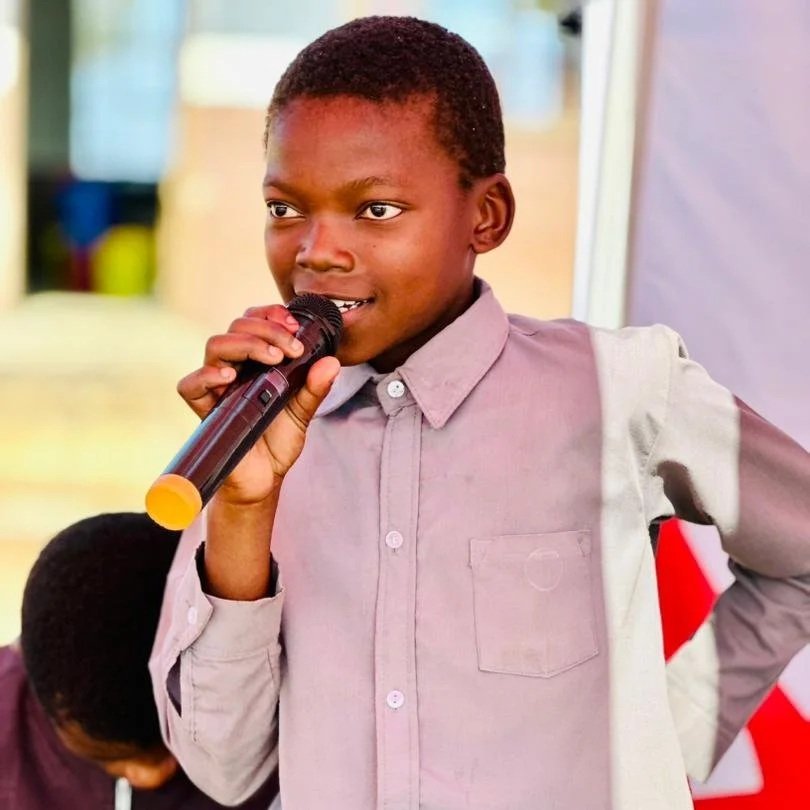
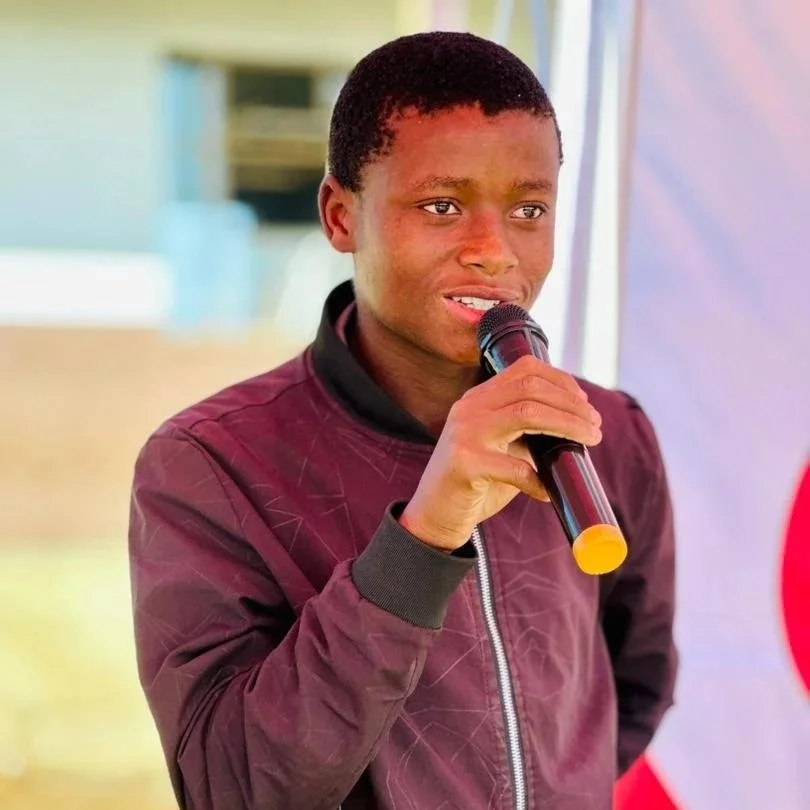
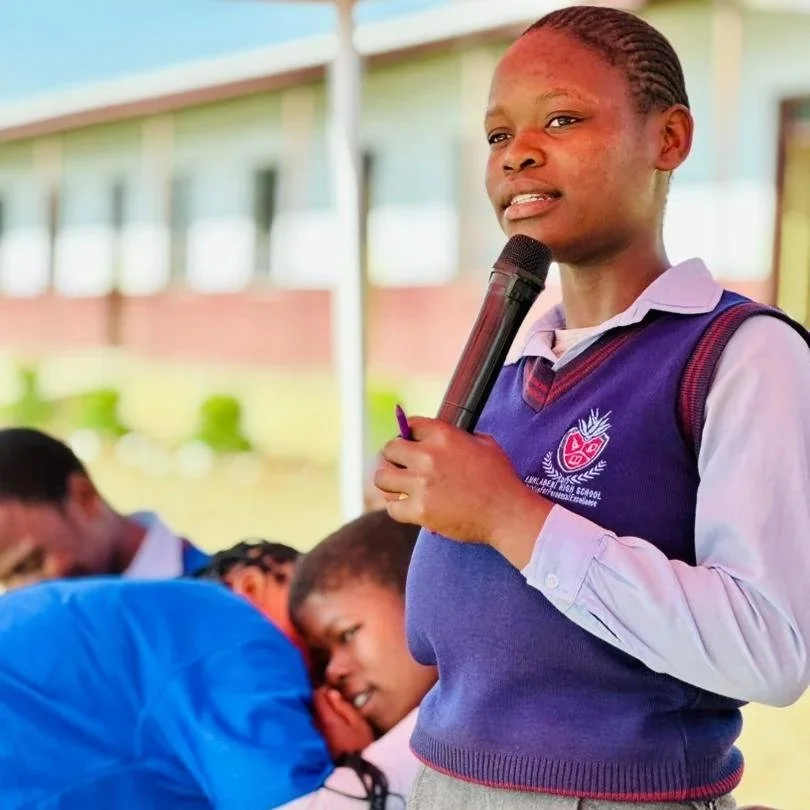
These heartfelt testimonies deeply moved the invited guests and reinforced the urgent need for collective action to address the interconnected challenges affecting children's health, education, protection, and overall wellbeing. Representatives from the Regional Administrator's Office, the Department of Social Welfare, and the Regional Secretary all echoed this call to action in their remarks, emphasizing the shared responsibility of protecting children's rights and improving their wellbeing.
By creating a safe platform for children to speak openly about their lived experiences, Cabrini Ministries reaffirmed its commitment to promoting child participation and ensuring that children's voices remain at the center of conversations and decisions that affect their lives. The event demonstrated that meaningful and sustainable solutions begin by listening to children and recognizing them as active partners in advancing their own wellbeing and development.
In line with the theme and as part of its commitment to promoting children's health and dignity, Cabrini Ministries distributed hygiene packs to all 252 learners from both schools. The hygiene packs will help improve personal hygiene practices while reinforcing the importance of ensuring that every child has access to the necessities required to live, learn, and thrive.
The Day of the African Child serves as an important reminder that safeguarding children's rights extends beyond education and protection it also includes ensuring equitable access to clean water, adequate sanitation, quality healthcare, and hygiene services. Cabrini Ministries remains committed to working alongside communities and partners to improve the wellbeing of vulnerable children and create environments where every child can reach their full potential.